A rat in a kitchen wall is not an abstract nuisance. It chews wires, leaves droppings in food storage, and spreads disease. A mouse in a downtown warehouse eats inventory and forces a shutdown for inspection. In Los Angeles County, rodent problems look different from neighborhood to neighborhood, and the most effective response starts with a plan designed for a single property, not a generic treatment package.
I have worked alongside technicians and property managers across the county, from hillside bungalows in Altadena to industrial parks in the San Gabriel Valley. Over time I learned how small differences in construction, landscape, and tenant behavior change what works. The companies that get best results, whether "Rodent Control Inc." Or local independents, treat each job as a diagnostic exercise: identify the species, map their access and attractants, then choose control methods that fit the site and the client’s tolerance for maintenance and disruption.
Why tailored plans matter
Los Angeles County is a mosaic of microenvironments. Coastal breezes alter rodent activity along the west side. Higher rainfall and more vegetation in the northern foothills support different species and nesting sites than dry inland neighborhoods. A single-family home with a pet door, dog food left on the patio, and an aging roof has a very different risk profile from a multi-story office building with sealed service corridors and nightly janitorial routines. When a technician treats both with the same bait placement, follow-up cadence, and sealing approach, problems recur.
Tailored plans reduce chemical use, cut repeated service calls, and lower long-term costs. They also avoid unnecessary disruption to tenants and reduce risks to non-target animals such as pets and urban wildlife. Practically, tailored means an initial inspection that documents probable entry points, food and water sources, and the species involved, followed by a written plan that spells out immediate actions and a schedule for verification and prevention.
Identifying the species and behavior
Rodent control is mostly about two mammals: mice and rats. Roof rats are climbers, favoring attics and high spaces. Norway rats prefer ground-level burrows and basements. Deer mice and field mice appear seasonally in homes near undeveloped land. Each species behaves differently and reacts to tools differently.
A practical on-site identification goes beyond seeing droppings. Technicians look for track size and distribution, gnaw marks, grease marks along repeated routes, burrow entrances, and nesting material. For example, roof rat droppings are typically capsule-shaped and larger than mouse pellets. Norway rat burrows often have smooth, oval entrances near foundations. If you find droppings on a pantry shelf and gnaw marks at the base of a cabinet, you are probably dealing with mice, not rats. That distinction matters for trap selection and bait type.
Signs you should call a professional
If you prefer a quick checklist to decide whether a DIY approach will work, consider these clear signals that professional rodent control in Los Angeles County is needed:
- recurring droppings after cleaning, or droppings in inaccessible spaces such as attic eaves gnawed electrical wiring, insulation, or structural timbers visible burrows along foundations or under exterior features noises in walls or ceilings at night that persist despite sealing obvious entry points evidence inside commercial food areas, deliveries rejected by inspectors, or repeated customer complaints
A single mouse sighting in a home does not automatically demand a full exclusion and baiting program, but chewing on wiring or droppings in a storage area elevates the urgency.
What tailored plans look like, step by step
I prefer to describe a tailored plan as a sequence of diagnostic and corrective steps rather than a one-time treatment. Below is a concise road map many experienced rodent control companies follow when they design a property-specific plan:
- initial inspection and species identification, including documentation with photos and a map immediate reduction of activity through targeted trapping or baiting where appropriate exclusion work to seal entry points and repair structural vulnerabilities sanitation and landscape recommendations to remove attractants and reduce harborage scheduled follow-up visits for verification and maintenance
Those steps are not strictly linear. On a restaurant job, technicians will trap and secure food areas immediately, then conduct exclusion work when the kitchen is closed. In an apartment building, exclusion of common areas may be prioritized and tenant education provided before full baiting begins.
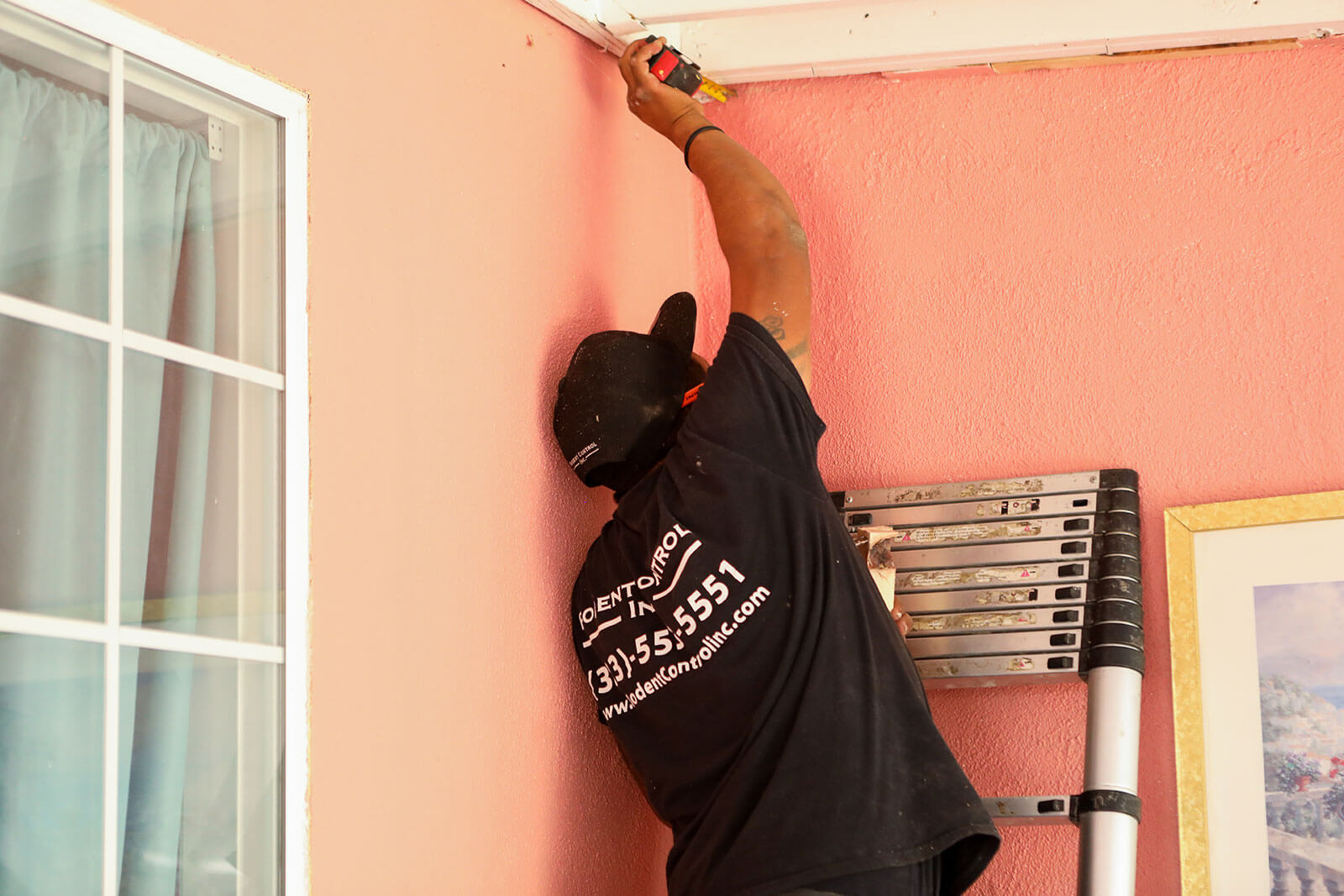
Residential rodent control, and trade-offs homeowners face
Homeowners want fast results, but the fastest approach sometimes masks the real problem. Spraying a perimeter with repellents, for example, can temporarily deter rodents but does nothing to stop access through a soffit or a gap under a garage door. Baiting alone will reduce numbers, but if the entry point remains, new rodents can move in. Exclusion work has the most permanent effect, yet it costs more up front and sometimes requires coordinating with roofing or gutter contractors.
A well-crafted residential plan balances immediate reduction and long-term prevention. Typical elements include trapping in living spaces, bait stations placed in voids where legal and safe, screening and sealing attic vents, and foundation sealing. Landscape advice often focuses on three practical items: move woodpiles at least three feet from structures, trim vegetation away from exterior walls, and store pet food indoors. A homeowner I worked with in Pasadena accepted a modest exclusion budget and saw no return visits for two years, while neighbors who chose only baiting had repeated problems through successive breeding cycles.
Commercial rodent services, compliance, and risk management
Commercial properties face stricter consequences. A single rodent sighting in a grocery store can trigger a formal inspection and a remediation order. Warehouses and food processors must adhere to Hazard Analysis and Critical Control Point principles, which include robust pest control documentation. For managers, the value of a local rodent control company in Los Angeles County is twofold: fast operational response and strong record-keeping.
Commercial plans often require scheduled service agreements with monthly or quarterly visits, tamper-resistant bait stations, and digital logs that record bait checks, trap counts, and service notes. These logs become part of audit trails. In one mid-size food distributor I consulted for, relocating interior traps to exterior roofline intercept points cut interior sightings by more than half within six weeks and made audits straightforward.
Handling sensitive sites
Hospitals, schools, and child-care centers need special care. Rodent control plans for these sites minimize pesticide exposure and focus on exclusion and trapping. Some options include using glued traps in voids inaccessible to children, employing snap traps in monitored tamper-proof enclosures, and scheduling exclusion work outside school hours. Any service provider must follow state regulations and provide clear documentation of methods and materials used.
Choosing the right service provider
Not all pest companies offer the same quality. When evaluating a rodent control company in Los Angeles County, look for experience with structures similar to yours, evidence of licensed technicians, transparent pricing, and a written plan. A good contract will spell out what is included, such as exclusion work or only baiting, and what will incur extra charges. Ask how the company documents results and how it measures success. Success is not a single trap count drop but sustained absence of signs over multiple inspections.
Rodent Control Inc. Is one local name that appears in search results, and companies using that or similar names may serve the county. Whether you choose a larger firm or a neighborhood operator, compare bids for the same scope of work rather than cheapest line items. An inexpensive baiting-only approach may look cheap in the short run but cost more if rodents return.
Common treatments and considerations
There are effective tools and trade-offs to understand.
Traps. Snap traps work well for occupants who want immediate removal without poisons. Multi-catch electronic traps reduce handling and are useful in high-traffic storage areas. Trapping requires correct placement and regular checking. Forgetting a trap for weeks can result in odors and secondary pest issues.
Bait stations. Tamper-resistant stations protect children and pets. Anticoagulant baits remain widely used because they are effective, but they require monitoring and proper disposal of carcasses. For properties near protected wildlife or in areas with high raptor activity, technicians may favor trapping and exclusion first.
Exclusion. This is the most durable solution, involving sealing gaps, installing rodent-proof screens, repairing vents, and sometimes covering soil-to-foundation gaps. Exclusion reduces reliance on baits and chemicals. It can demand skilled labor: metal flashing, wire mesh, and cement work. Costs vary, but consider exclusion an investment in property protection rather than a recurring expense.
Sanitation and landscaping. Removing food and water sources is often the cheapest and most overlooked step. Businesses should enforce sealed food storage and waste container protocols. Homeowners need to pick up fallen fruit, secure compost bins, and tighten pet food routines. In many jobs, modest sanitation changes make the difference between temporary success and long-term control.
Realistic timelines and expectations
Expect an initial drop in activity within days if traps and baits are used, but allow up to several weeks for the total reduction of a breeding population. Full proofing of a structure can take multiple visits, particularly if access points are hidden or structural repairs are required. For commercial accounts with heavy traffic and constant deliveries, a tighter follow-up schedule for the first 90 days makes sense.
There are edge cases worth noting. Properties adjacent to open land or construction sites face repeated invasion pressures. In multi-tenant buildings, one tenant’s habits can undermine the whole building’s efforts. In these situations, communication and coordinated action matter as much as technical treatment. I recall a mid-city apartment block where tenants left pet food on balconies; once managers enforced policies and the company sealed balcony-air conditioner gaps, the problem resolved.
Regulation and safety
Technicians Rodent Control Services in Los Angeles County Rodent Control Inc. should be licensed and use products according to label instructions and local rules. California has specific regulations regarding rodenticide use, particularly near waterways and wildlife habitat. Ask any provider how they handle carcass removal, bait station placement, and documentation. Good companies will be transparent about safety measures and liability.
When to involve building professionals
A rodent entry that traces to a deteriorated roofline, a cracked foundation, or a misaligned loading dock requires carpentry or masonry repair. Exclusion is often interdisciplinary. If a rodent control company offers in-house repair crews or trusted contractor referrals, that can speed resolution. For apartment complexes or commercial roofs, combining pest control with roofing or structural repairs avoids repeated callbacks.
Cost considerations
Costs vary by property size and scope. A single-family home requiring basic trapping and a few exclusion points might cost a few hundred dollars initially, with seasonal affordable rodent services near me maintenance after that. Large commercial facilities with extensive exclusion work and monthly monitoring can run into the thousands monthly, depending on risk and regulatory demands. Always compare quotes based on the same deliverables, not just total price.
Why long-term relationships pay off
Rodent pressures in Los Angeles shift with the seasons, local construction, and urban wildlife patterns. Companies that maintain ongoing relationships can spot trends and adapt plans before problems become emergencies. A property manager I worked with reduced emergency call-outs by about 60 percent after moving from reactive service calls to a quarterly preventive plan with a single vendor. The vendor learned the property and anticipated weak points, saving both time and money.
Picking an approach that fits your tolerance
Finally, choose a plan that matches your priorities. If you value no chemical residues, demand an exclusion-first, trap-centered program. If immediate reduction is your priority because of operational risk, accept baiting paired with rapid exclusion to follow. If budget is tight, prioritize the most likely entry points and high-risk areas and plan staged exclusion work over months.
Finding help
When searching online, include location-specific terms such as rodent control services in Los Angeles County or rodent control company in Los Angeles County Rodent Control Inc. To find local firms. Read recent reviews, but pay attention to how a company resolved disputes, not just ratings. Ask for baseline photos from the inspection and a written scope. A reliable provider will offer a clear plan and stand behind their work.
A practical ending note
Rodent control in Los Angeles County is not a one-size-fits-all service. It rewards a diagnostic approach, a mix of immediate actions and longer-term exclusion, and a willingness to make modest behavioral and landscape changes. Whether you manage a home, a restaurant, or a warehouse, insist on a written plan that documents the problem, outlines the steps, and sets measurable checkpoints. That is the only way you get a durable solution rather than a temporary truce.